The Necessary Overview to Understanding Metal Casting Methods and Applications
Steel casting methods create the foundation of modern manufacturing. These techniques change molten steel right into precise shapes, providing to various sectors. Each technique, from sand spreading to financial investment spreading, supplies unique benefits and applications. Understanding these methods is essential for maximizing production processes. As markets advance, the demand for innovative and effective casting options expands. What exists in advance for these strategies when faced with advancing modern technology and transforming market requirements?
Summary of Metal Casting Methods
Metal spreading techniques include a selection of techniques utilized to shape molten steel right into preferred types. These strategies are important in different sectors, consisting of automotive, aerospace, and art, enabling the manufacturing of parts with intricate geometries and intricate details. The main processes include gravity spreading, where steel streams right into a mold under its weight, and pressure spreading, where liquified metal is pushed into a mold tooth cavity. Financial investment spreading, known for its precision, uses a wax pattern that is disappeared, creating a very precise mold and mildew. Die casting employs a high-pressure system to create parts rapidly, while shed foam casting incorporates the performance of foam patterns with accuracy. Each technique has its benefits, tailored to particular applications based on aspects like product homes, manufacturing volume, and wanted finish. Recognizing these techniques permits manufacturers to select one of the most suitable technique for their distinct demands, maximizing both efficiency and high quality in metal production.
Sand Casting: One Of The Most Common Technique
Although various casting methods exist, sand spreading continues to be one of the most widespread method in the market due to its convenience and cost-effectiveness. This method uses sand as a key mold and mildew product, enabling the production of huge components and complicated shapes. The process begins with the development of a mold and mildew, commonly made from a blend of sand and a binding representative. Once the mold is ready, molten metal is poured into the tooth cavity, filling up every detail of the design.
After the steel solidifies and cools down, the mold and mildew is broken away to expose the last spreading. Sand spreading is specifically preferred for its capacity to accommodate a vast array of steels, including aluminum, iron, and steel. Furthermore, it is suitable for both small-scale manufacturing and big quantities, making it an excellent choice for sectors such as auto, aerospace, and building and construction. Metal Foundry. Its simpleness and performance continue to drive its popularity in metalworking
Financial Investment Spreading: Accuracy and Information
Financial investment casting is a highly precise steel casting method that uses exceptional information in the end product. This process involves developing a wax pattern that is covered with a ceramic product, enabling complex layouts and smooth surface coatings. Its benefits include the capacity to create complex forms and a broad variety of applications throughout various markets.
Process Review
When precision and complex detail are critical, financial investment casting becomes a recommended technique in metalworking. Aluminum Foundry. This procedure starts with creating a wax or polymer pattern, which is after that coated with a ceramic covering. When the shell solidifies, the pattern is thawed out, leaving a mold. Molten steel is put right into this mold and mildew to produce the preferred form. After cooling down, the ceramic covering is gotten rid of, revealing the cast component. Financial investment spreading enables intricate geometries and limited tolerances, making it ideal for different materials, including aluminum, steel, and titanium. This technique is particularly valued in industries that call for high-quality surfaces and complex designs, making certain that each actors part meets rigid requirements with marginal post-processing
Benefits and Applications
The advantages of investment spreading extend beyond its ability to produce limited resistances and intricate geometries. This technique permits the production of in-depth parts with smooth surface area coatings, considerably minimizing the need for substantial machining. Investment casting is particularly useful for manufacturing elaborate parts in sectors such as aerospace, automobile, and medical devices, where accuracy is crucial. Additionally, it accommodates a broad range of materials, including various alloys, which can enhance efficiency in specific applications. The procedure additionally generates high production prices, making it economically practical for both tiny and large sets. Eventually, investment spreading stands out for its ability, effectiveness, and flexibility to create premium parts that meet rigid market standards.
Pass Away Casting: High-Volume Manufacturing
Pass away casting emerges as a substantial method for high-volume production, specifically in industries needing precision-engineered parts. This technique includes forcing molten steel under high stress into a mold cavity, causing components with exceptional dimensional accuracy and surface area finish. Typically utilized with non-ferrous steels such as zinc, magnesium, and light weight aluminum, pass away spreading is preferred for its capacity to produce detailed shapes with marginal machining requirements.
The process permits fast manufacturing cycles, making it optimal for manufacturing large quantities of components efficiently. Die casting is extensively employed in automotive, aerospace, and customer electronic devices fields, where integrity and repeatability are essential. Furthermore, innovations in innovation have caused improved mold designs and materials, enhancing the resilience and life-span of the molds. In general, pass away casting attracts attention as a crucial strategy for producers intending to satisfy high production needs while keeping quality and cost-effectiveness in their procedures.
Lost Wax Casting: An One-of-a-kind Artistic Method
Lost wax casting, a method with old origins, has been made use of for centuries to develop intricate metal sculptures. This strategy includes several precise actions, from crafting a wax design to the final metal put. Recognizing both its historical importance and the in-depth process can illuminate the artistry behind this unique spreading technique.
History of Lost Wax
Amongst the myriad metal casting techniques, shed wax casting attracts attention for its special imaginative expression and rich historic roots. This approach, believed to date back more info over 5,000 years, has been made use of by different people, consisting of the old Egyptians, Greeks, and Chinese. At first used for creating complex jewelry and ritualistic items, shed wax spreading allowed artisans to reproduce comprehensive designs with accuracy. The process involves shaping a model in wax, which is then framed in a mold and mildew. As soon as warmed, the wax melts away, leaving a dental caries for liquified steel. This technique not just showcases the ability of the musician but likewise highlights the social value of metalwork throughout background, influencing modern practices in sculpture and design.
Refine Actions Explained
The intricate procedure of shed wax spreading includes several very carefully orchestrated steps that change a wax model into a spectacular steel artefact. Originally, an artist produces a thorough wax design, which acts as the theme for the last piece. This model is then coated with a refractory material to create a mold, adhered to by heating to allow the wax to melt and drain away, leaving a hollow tooth cavity. Next off, molten metal is poured right into the mold, filling up deep space left by the wax. As soon as the steel solidifies and cools down, the mold and mildew is escaped to expose the ended up product. Finally, any kind of required finishing touches, such as sprucing up and surface treatment, are used to enhance the item's visual allure and sturdiness.
Applications of Metal Casting in Different Industries
Steel spreading offers as a basic procedure throughout various sectors, offering crucial components for a broad selection of applications. In the vehicle industry, it makes it possible for the production of engine blocks, transmission instances, and various structural components, adding to car longevity and efficiency. The aerospace market uses metal spreading for lightweight yet strong components, such as generator blades and landing gear, essential for trip safety and security.

In construction, cast steel elements like light beams and installations boost architectural integrity and visual appeal. The energy sector likewise benefits, with actors elements made use of in wind turbines and generators, maximizing effectiveness in power manufacturing. Furthermore, the clinical area utilizes steel spreading to create accuracy instruments and implants, highlighting its role in advancing medical care technology. On the whole, metal spreading's adaptability and efficiency make it essential for producing premium parts across diverse markets, driving technology and meeting specific useful needs.
Often Asked Questions
What Materials Are Typically Used for Metal Spreading?
Usual materials made use of for metal casting consist of light weight aluminum, iron, bronze, and magnesium. These steels are preferred for their favorable properties, such as melting factor, fluidity, and toughness, making them suitable for a range of applications.
How Does Environmental Effect Vary In Between Spreading Approaches?
Ecological effect varies significantly among casting methods. For example, sand spreading usually has actually lower emissions compared to investment casting, which uses a lot more power and creates greater waste. In addition, techniques can impact air and water quality in a different way.
What Safety Preventative Measures Should Be Taken Throughout Steel Spreading?
Throughout steel casting, safety and security precautions consist of using safety equipment, making sure proper ventilation, preserving tools, using fireproof materials, complying with well-known methods, and training employees to take care of unsafe products and emergencies properly to lessen dangers.
Can Metal Casting Be Done in your home?
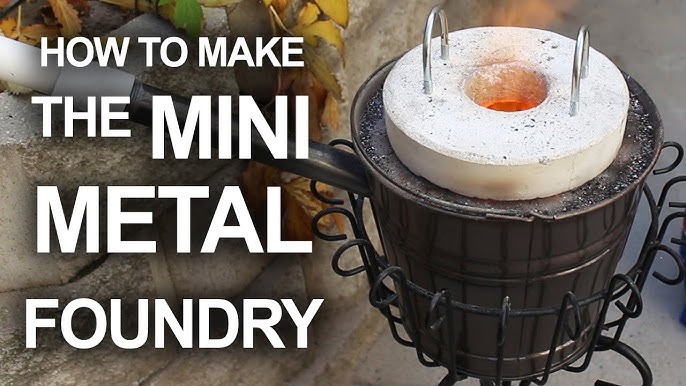
Steel spreading can be done at home, offered people have the essential equipment, products, and safety and security procedures in location. Proper air flow, safety equipment, and adherence to guidelines are crucial for a risk-free, successful procedure.
How Do I Choose the Right Spreading Method for My Task?
Each method, from sand casting to investment spreading, uses unique advantages and applications. The main processes consist of gravity casting, where metal streams into a mold under its weight, and pressure casting, where liquified steel is compelled into a mold cavity. Numerous casting techniques exist, sand casting remains the most common method in the sector due to its flexibility and cost-effectiveness. Investment casting is a highly precise metal spreading strategy that offers outstanding detail in the last item. Amongst the myriad metal casting techniques, shed wax casting stands out for its one-of-a-kind artistic expression and abundant historic origins.
Comments on “Aluminum Casting for Efficiency in Every Industry Application”